Attractions

Sri Lanka, one of the world’s most popular travel destinations, offers an incredible variety of experiences in a compact yet captivating setting. Despite its size, the island is rich in history, vibrant cities, and deeply rooted cultural traditions. From ancient ruins to centuries-old fortresses, remarkable landmarks await at every corner.

Getting around Sri Lanka is convenient and straightforward, with major attractions well connected by trains and buses. You can also travel comfortably by car using the country’s expanding motorway network. Whether you explore by public transport or on a private road trip, Sri Lanka promises a journey filled with unforgettable moments.
Peradeniya

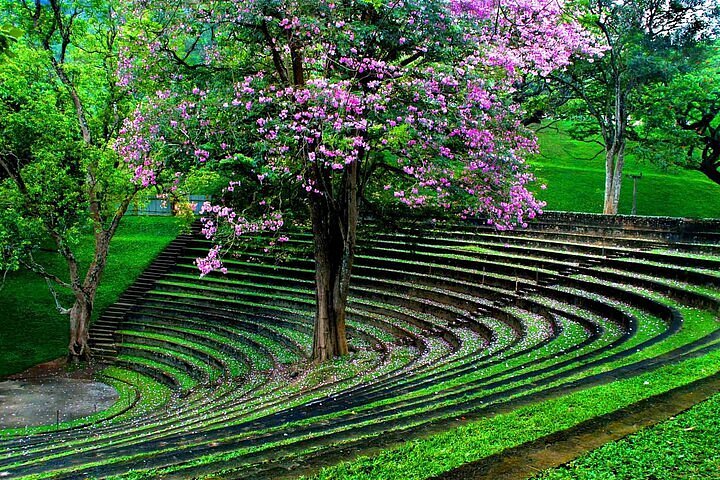
Peradeniya is famous for the Royal Botanical Gardens of Peradeniya, which is considered to be one of the most beautiful botanical gardens in Asia. It is situated in a loop of the Mahaweli River. The gardens cover 147 acres and are renowned for the collection of orchids, the massive Javan Fig tree, the Cannonball Avenue, and the suspension bridge. It dates back to the 14th century as a royal pleasure garden.

Yala National Park

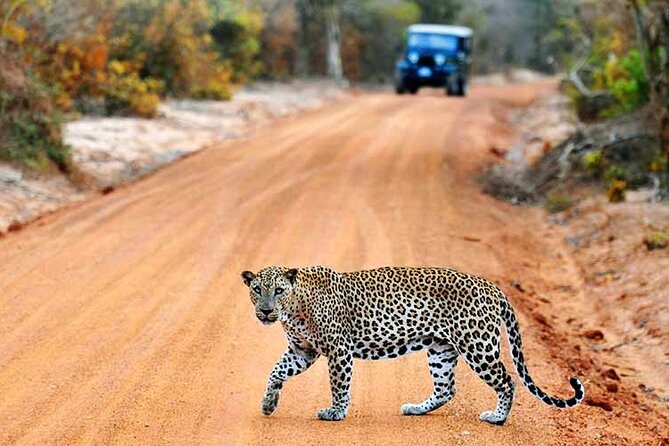
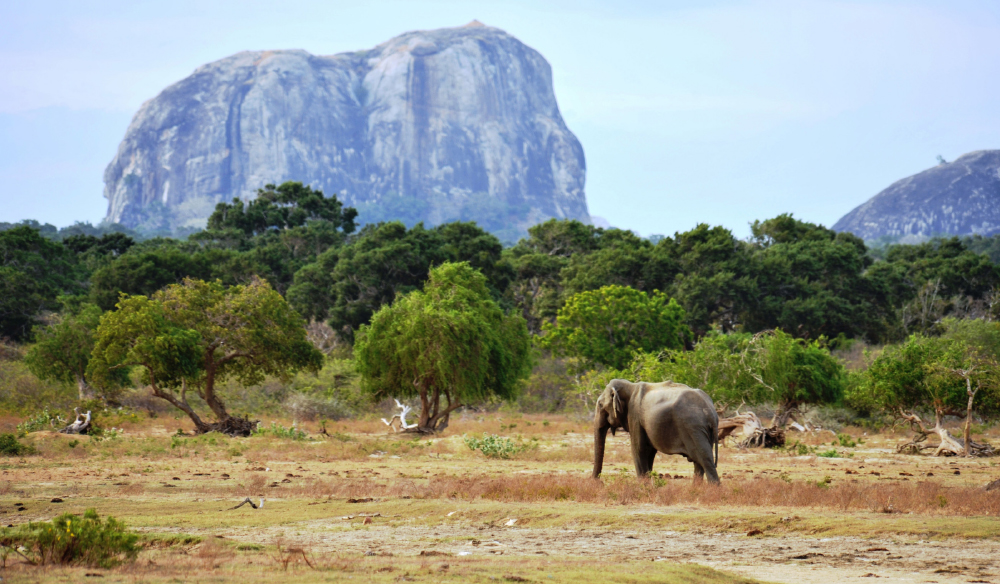
Yala National Park is situated in the south-east region of Sri Lanka and is the 2nd largest National Park in the island, situated some 300 km away from Colombo. It was at first established in 1900 as a wildlife sanctuary. Yala is globally famous for having one of the highest densities of leopards in the world. The park is divided into blocks, with Block 1 being the most visited for safaris to see leopards, elephants, crocodiles, and diverse birdlife.

Wilpattu National Park

Wilpattu is Sri Lanka’s largest national park with an area of 130,000 hectare. It is also the oldest national park which has been reopened after several years of closure due to the armed conflict. The park is unique for its "Willus"—natural, sand-rimmed rainwater lakes. It is a top destination for spotting the Sri Lankan Leopard (Panthera pardus kotiya) and Sloth Bears in a dense, jungle setting distinct from the open plains of Yala.

Udawalawe National Park

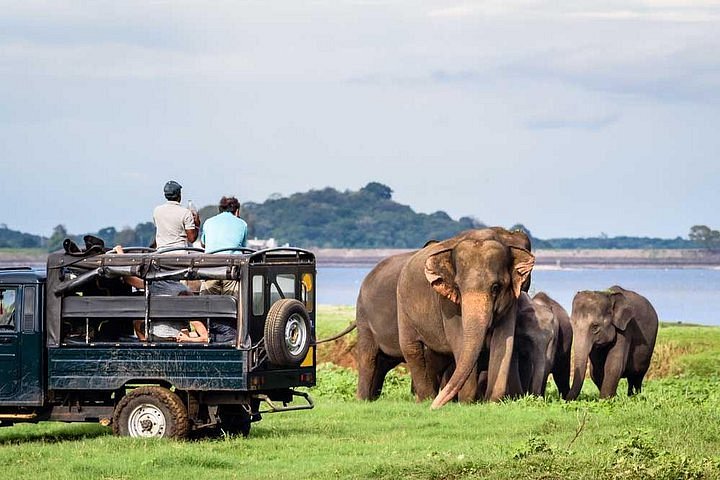
Located on the boundary of Sri Lanka’s wet and dry zones, Udawalawe National Park, is one of the best places in the world to see wild elephants. With approximately 400 elephants residing within the park, sightings are nearly guaranteed. The park is also home to the Elephant Transit Home, where orphaned elephant calves are rehabilitated and prepared for release back into the wild.

Trincomalee

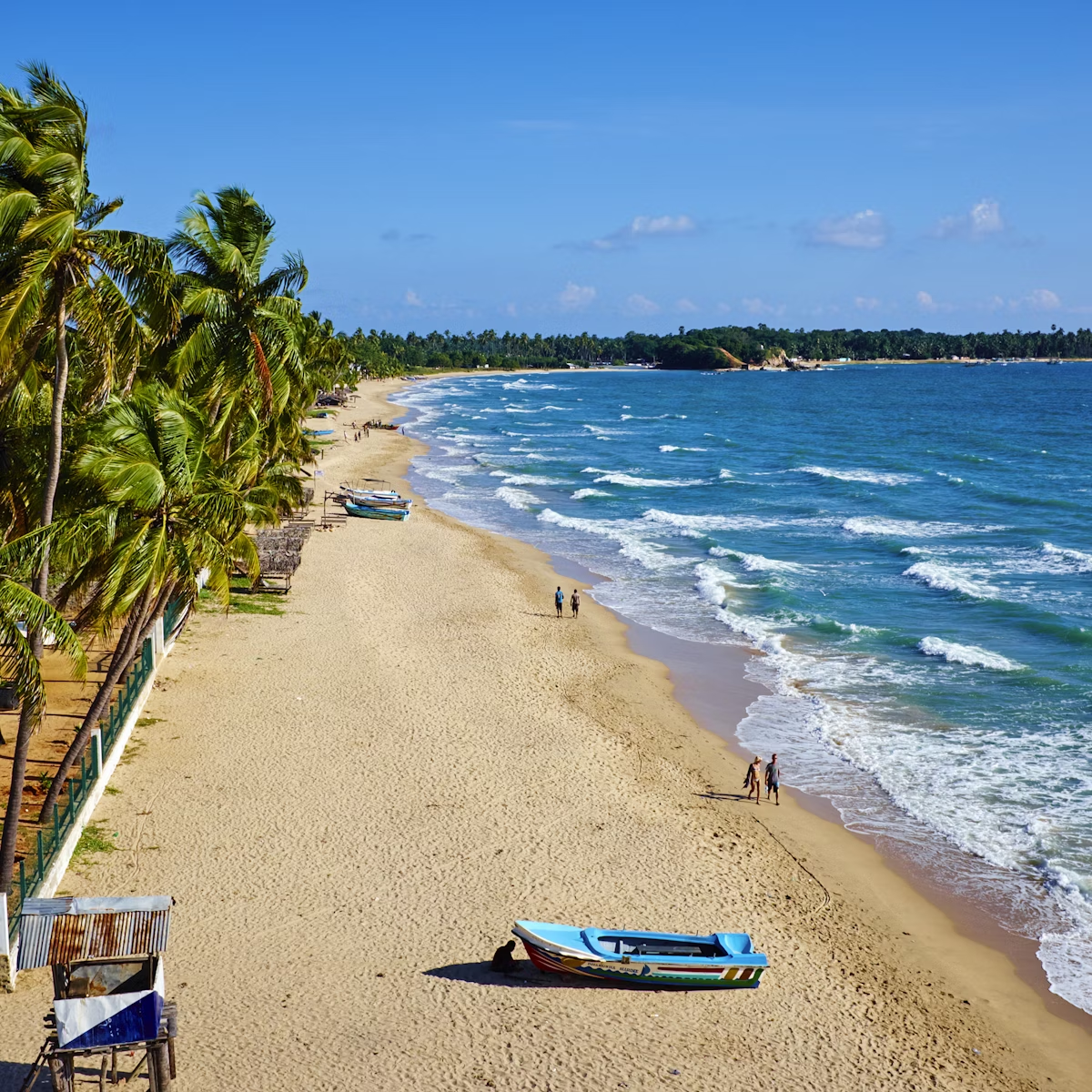
Trincomalee is a port city on the east coast of Sri Lanka. The city is located on a peninsula, which divides the inner and outer harbours. Trincomalee is an anglicized version of the Tamil word Tirukonamalai. It is home to one of the world's largest natural deep-water harbors. Key attractions include the cliff-top Koneswaram Hindu Temple, the historic Fort Frederick, and the pristine beaches of Nilaveli and Uppuveli, which offer whale watching opportunities.

Temple of the Tooth

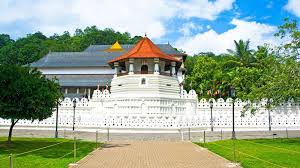
The Holy Temple of the Tooth (Sri Dalada Maligawa), Kandy is the most sacred shrine of Buddhism in the same vein that the Basilica of Saint Peter of Vatican, the greatest of the Christian shrines. It houses the Sacred Tooth Relic of the Buddha. The relic is kept in a gold casket inside the inner sanctum, and the temple complex is the focal point of the annual Esala Perahera, one of Asia's most spectacular cultural pageants.

Stilt Fishing

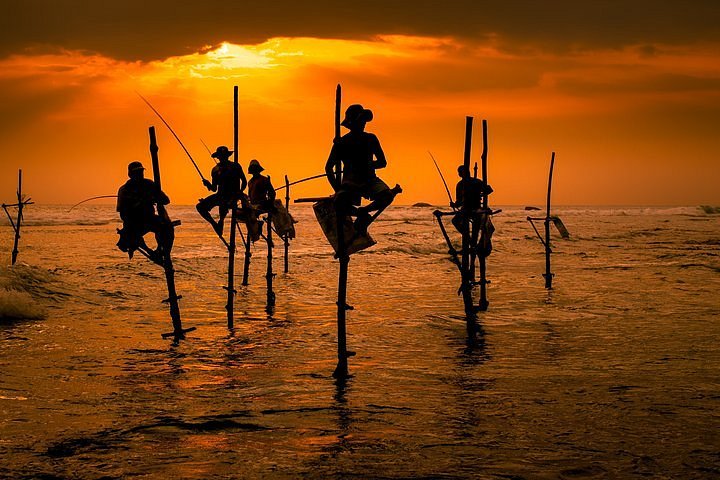
Ritipanna is the Sinhalese term for stilt fishing, which is a traditional method for fishing practiced by most fishermen along the southern coast of Sri Lanka. This art is popularly seen in towns like Ahangama and Koggala. Fishermen sit perched on a crossbar of a wooden pole driven into the coral reef, balancing precariously while using rod and line to catch small fish like spotted herring and mackerel.

Sri Pada / Adam's Peak

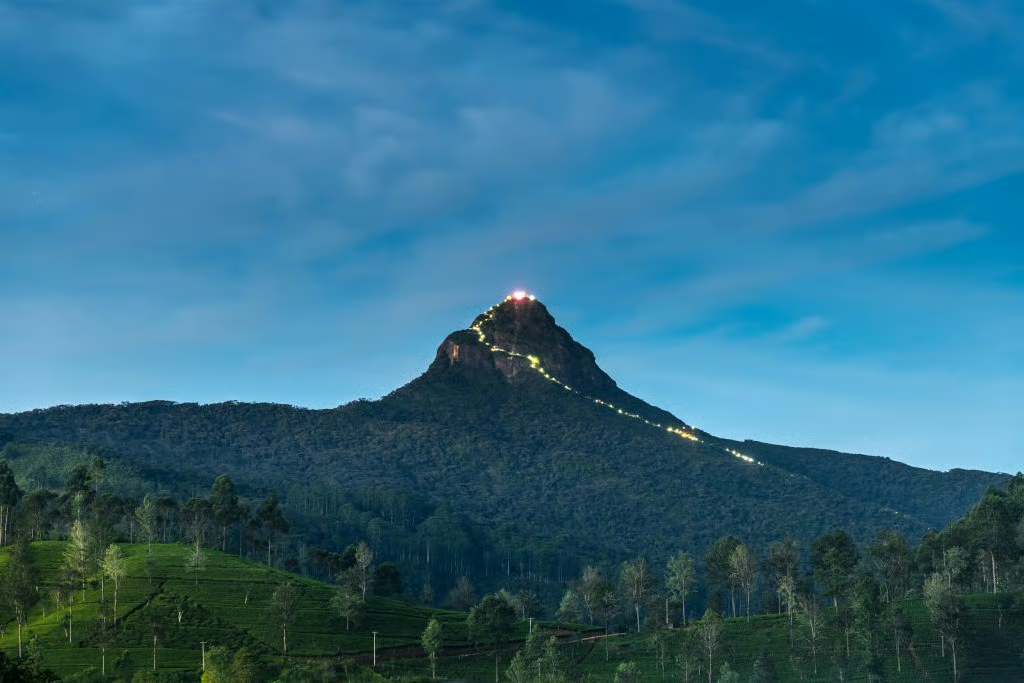
Buddhist pilgrims climbs the 2245m (7242ft) high mountain to honor the legendary footprint of Buddha. A large number of pilgrims visit Adam’s Peak every year. The word Sri Pada means "Sacred Footprint." It is a rare site revered by four religions: Buddhists claim the footprint is Buddha's, Hindus believe it is Shiva's, and Christians and Muslims believe it belongs to Adam. The sunrise viewed from the peak (Iru Sewaya) casts a perfect triangular shadow of the mountain on the clouds below.

Sri Lanka Tea

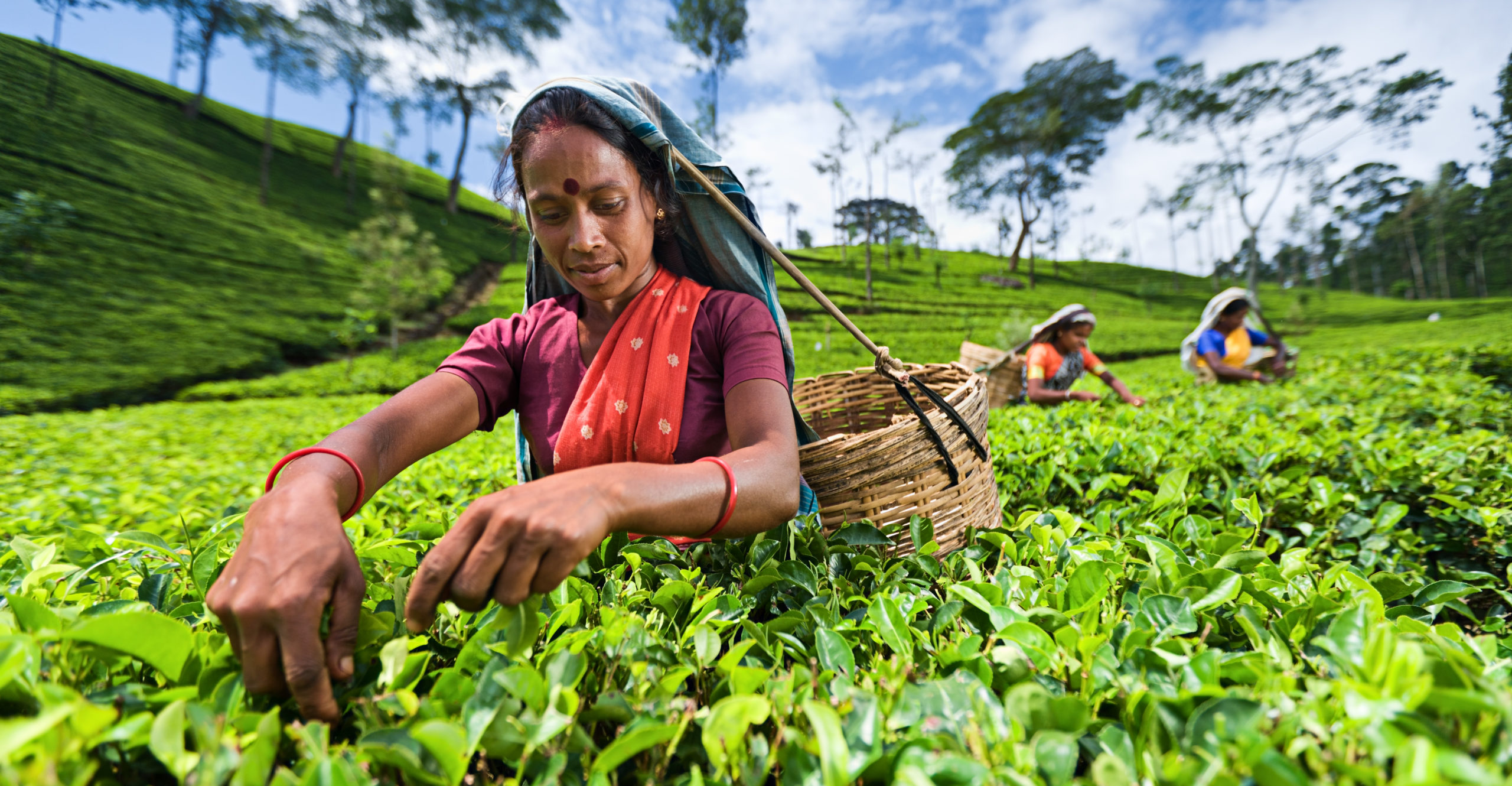
The early 1880s were a lean time in Ceylon. The colonial economy had been built almost entirely on the coffee enterprise, and when the enterprise collapsed due to a fungal disease (coffee rust), so did the economy. The transition to tea began with James Taylor at the Loolecondera estate. Today, "Ceylon Tea" is a world-renowned brand, and visiting a tea factory to see the plucking and processing of leaves is a staple of Sri Lankan tourism.

Sigiriya

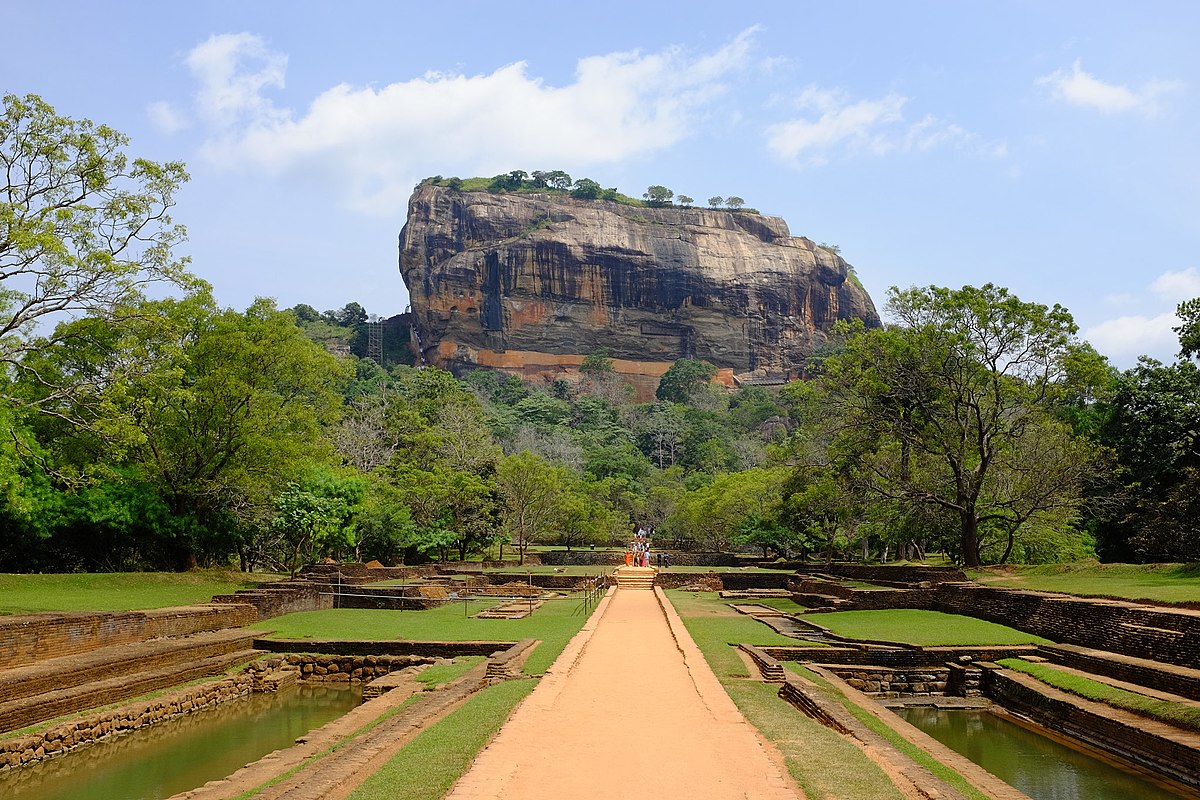
Originally called Sihagiri (Remembrance Rock) and later dubbed Sigiriya (Lion Rock), the rock mass is actually the hardened magma plug of an extinct volcano that long ago eroded away. King Kashyapa (477–495 AD) built his palace on the summit of this 200-meter rock. It is famous for the Mirror Wall, the ancient frescoes of damsels, and the massive Lion's Paws that guard the entrance to the final ascent.

Seetha Amman Temple

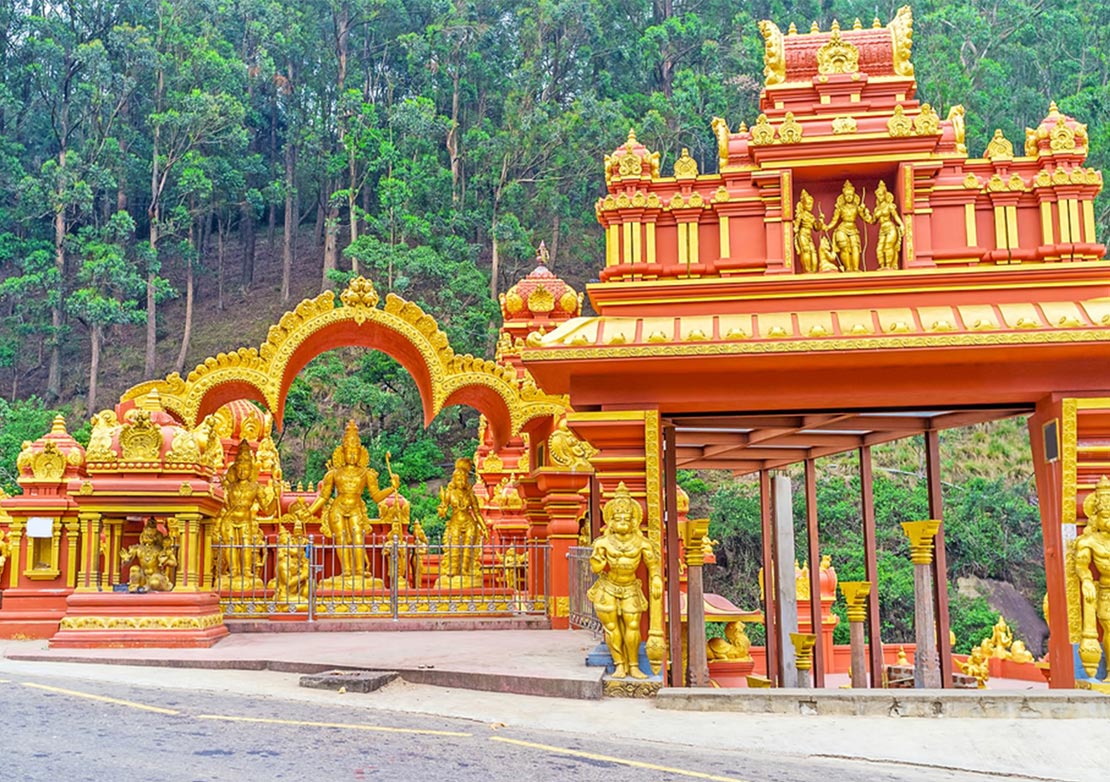
The Seetha Amman Temple is located in the village of Seetha Eliya. According to the Ramayana legend, this is the place where Sita, the wife of Lord Rama, was held captive by the demon King Ravana. The temple is built on the spot believed to be the Ashoka Vatika (grove). Notable features include the footprint-like depressions in the rocks by the river, said to be the footprints of the monkey god Hanuman.

Ramboda Falls

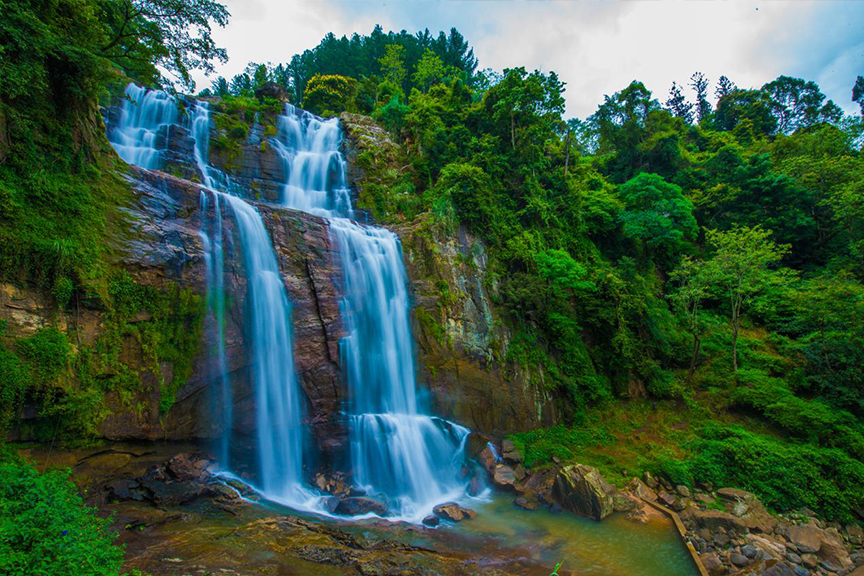
Rivers, as they flow over uneven ground or down mountains, often split into tributaries or form waterfalls. Sometimes two tributaries of the same river may form twin waterfalls very close to each other as they tumble down the escarpment. Ramboda Falls, located in the Pussellawa area on the A5 highway, is the 11th highest waterfall in Sri Lanka (109m). It creates a spectacular tiered cascade surrounded by emerald tea estates.

Polonnaruwa

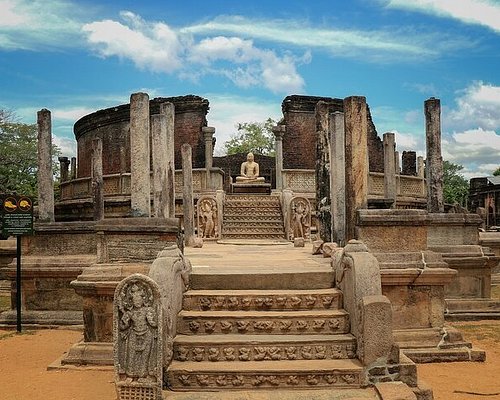
Polonnaruwa played an important role already in the Anuradhapura period. Polonnaruwa is believed to be the “Vijitagama”, later on “Vijitapura”, which is mentioned as one of the first settlements. It became the second capital of Sri Lanka (11th–13th Century). The archaeological park is famous for the Gal Vihara, a group of four magnificent Buddha statues carved from a single slab of granite, and the Parakrama Samudra, a massive man-made reservoir.

Pidurangala Rock

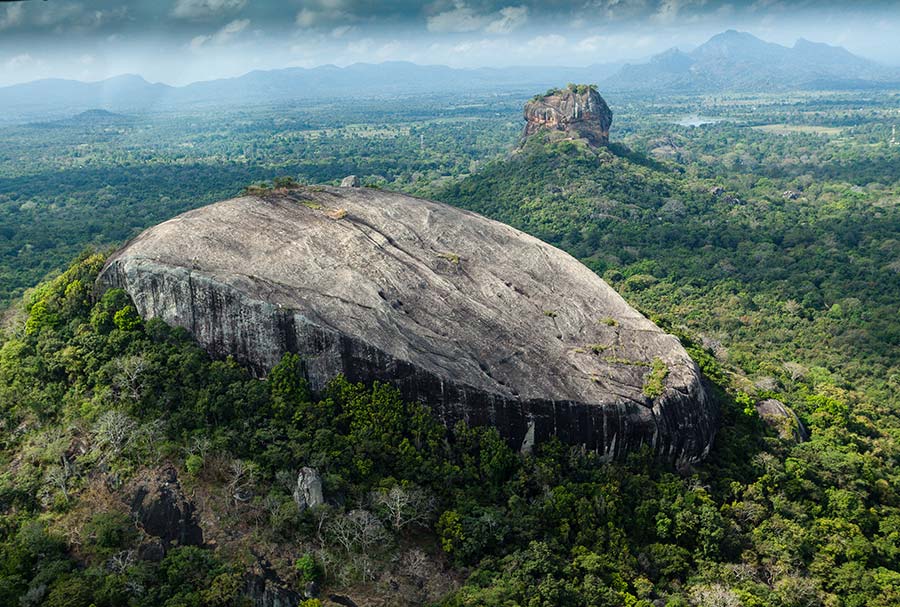
Towards the north-east of Sigiriya Rock is a famous hill of Pidurangala rising about one mile from the site. Pidurangala rock cave temple is also a part of many Sri Lanka tours. While Sigiriya offers history, climbing Pidurangala offers the best view of Sigiriya itself. It is a slightly more adventurous climb that passes through a Buddhist temple and a reclining Buddha statue before reaching a flat summit with 360-degree views.

Nuwara Eliya

The modern history of Nuwara Eliya begins in 1818 when a British Surgeon, Dr. John Davy (Brother of Humphery Davy, the inventor of the Miners’ Safety Lamp), rediscovered the area. Later developed by Samuel Baker as a sanatorium, it is often called "Little England" due to its colonial bungalows, rose gardens, and cool climate. It is the heart of the tea industry, surrounded by rolling green hills of tea plantations.

Negombo

Negombo is becoming one of the most thriving areas in Sri Lanka, with shopping malls that dwarf even the biggest ones in Colombo and many popular hotels due to its proximity to the International Airport. Historically known as "Little Rome" due to its high concentration of Catholic churches, Negombo is also famous for its massive lagoon, the bustling early morning fish market, and wide sandy beaches.

Minneriya National Park

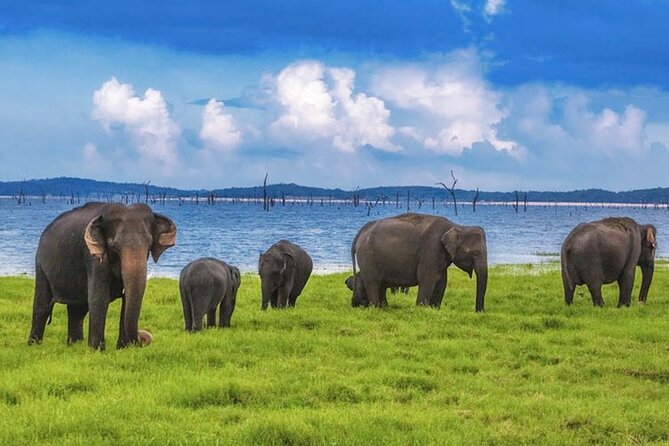
Mostly flat or gently rolling land with a few monadnoks (Nilgalla peak at 885m). The habitat is predominantly dry semi-evergreen forest with many scrublands. The park centers around the Minneriya Tank, built by King Mahasen. During the dry season, the receding water reveals lush grass, attracting hundreds of Asian elephants in a spectacular phenomenon known simply as "The Gathering."

Mihintale

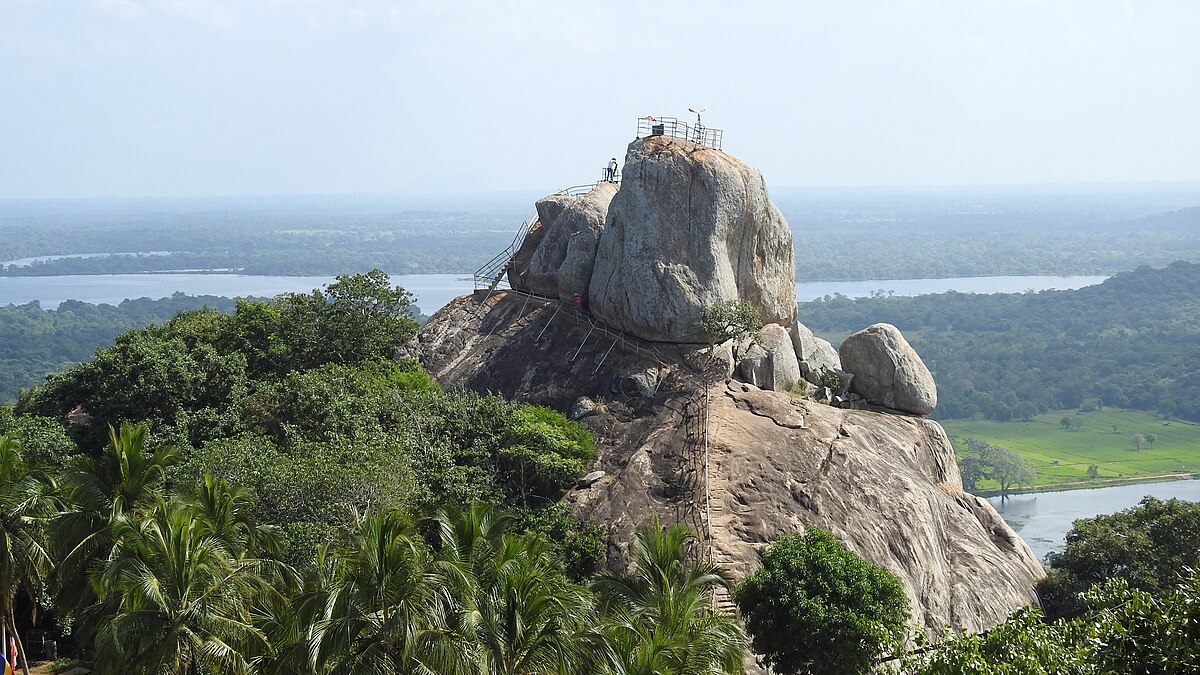
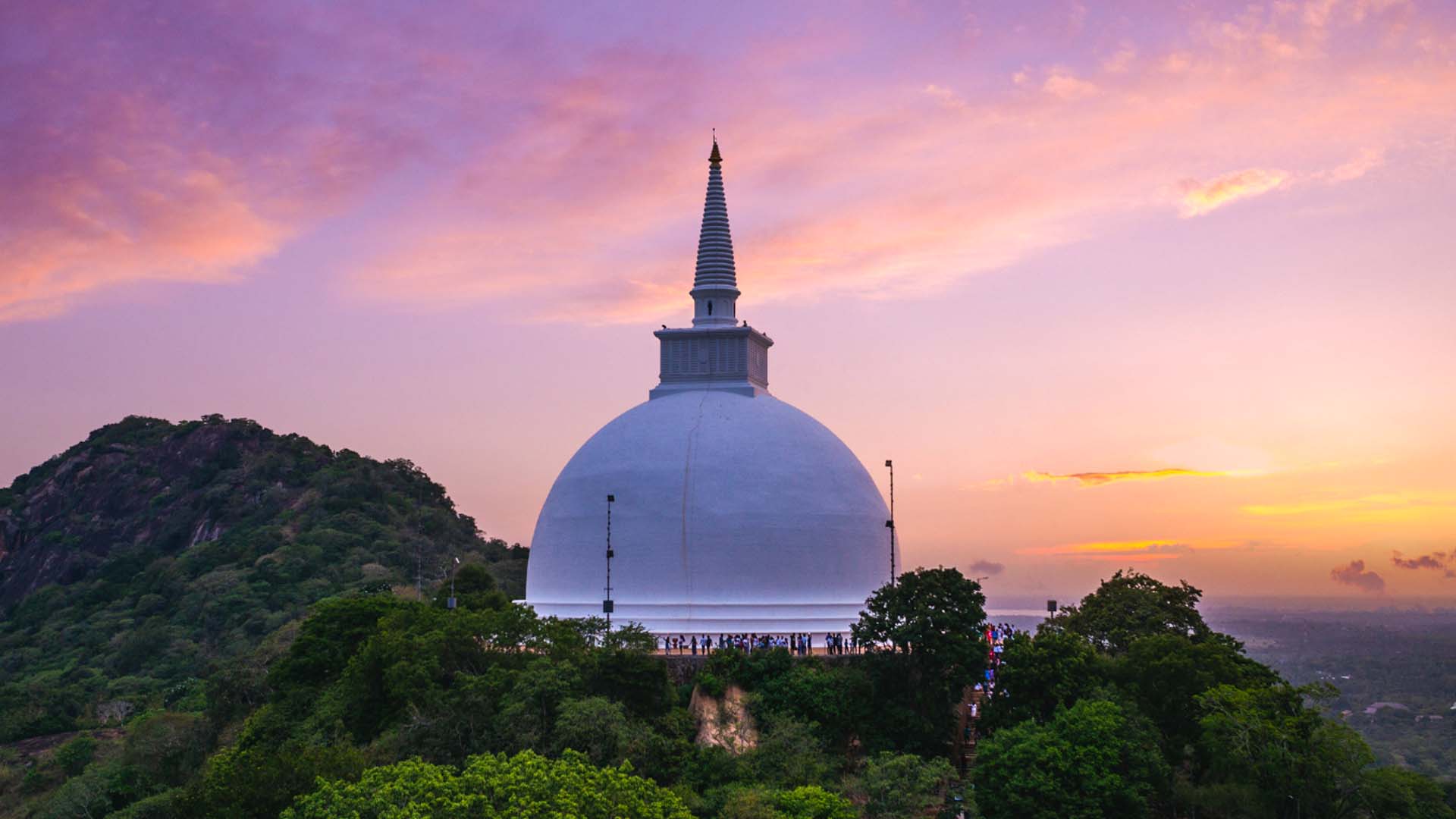
The king Devanampiya Tissa as well as king Uttiya too built monastery buildings, stupas, ponds etc. at Mihintale in third century B.C. Hence, many kings and royal patrons supported this site. Regarded as the cradle of Buddhism in Sri Lanka, it is the site where the monk Mahinda met King Devanampiya Tissa and introduced Buddhism to the island. Pilgrims climb 1,840 granite steps to reach the summit, particularly during the Poson Poya festival.

Matale - The Muthumariamman Hindu temple

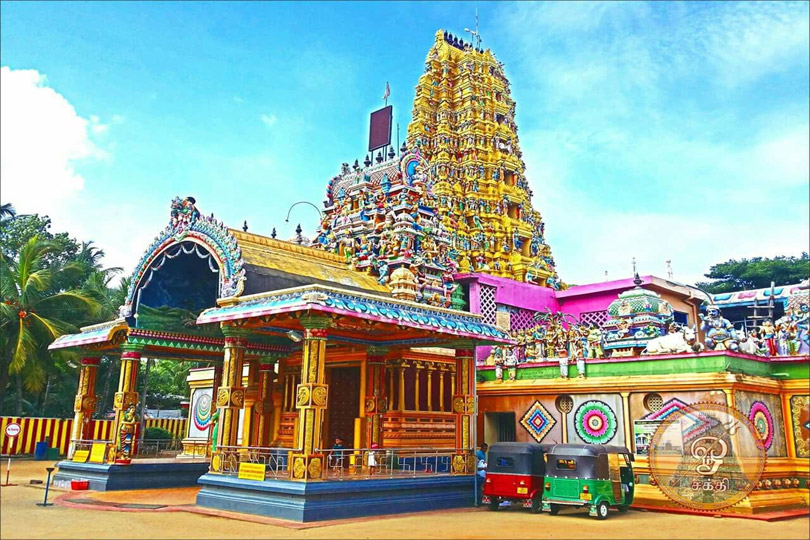
Near to the main road through Matale, the Muthumariamman Hindu temple is a tall, exuberantly decorated structure that can be easily seen from afar. Dedicated to the goddess Mariamman, the temple features a vibrant, colorful Gopuram (tower) filled with hundreds of intricate sculptures of deities. It is a significant religious site for the Tamil Hindu community and hosts a grand chariot festival annually.

Madu River

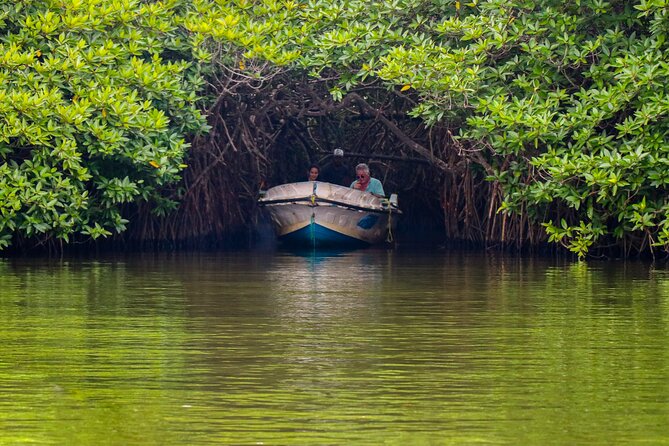
Take a magical speed-boat ride down the beautiful Madu River, a wetland estuary spreading over 900 hectares of which 770 hectares is covered with water and inhabited by 64 islands. The boat safari takes you through thick mangrove forests (tunnels of vegetation) and allows stops at Cinnamon Island to see traditional spice peeling, or for a "fish therapy" massage in the natural river enclosures.

Lake Gregory

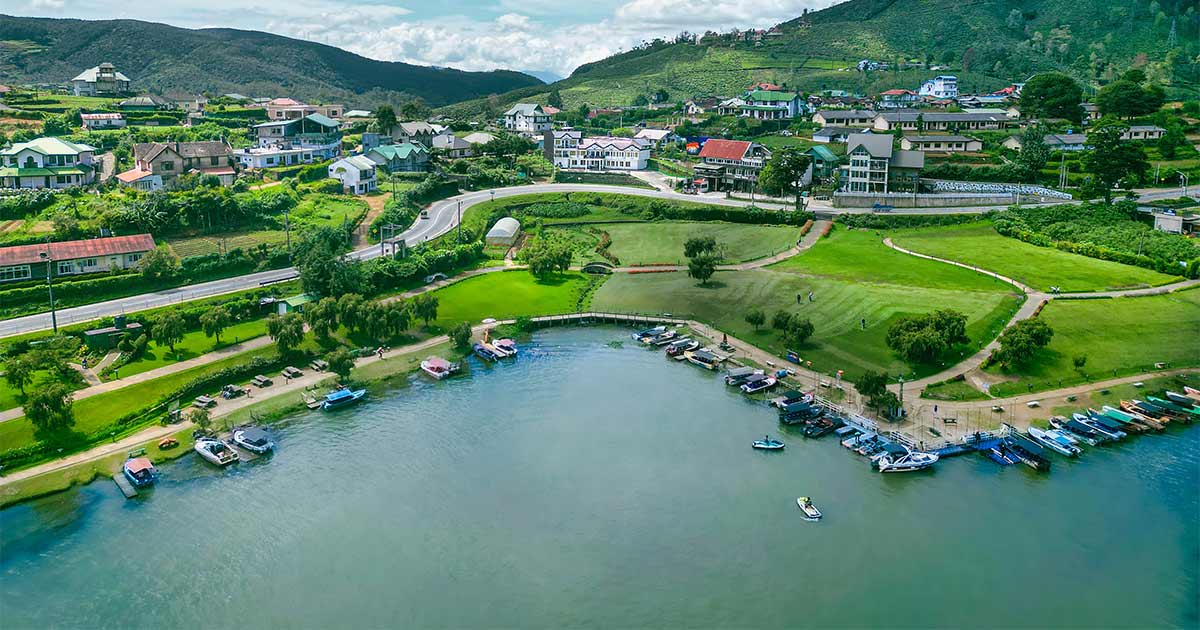
Named after Sir William Gregory in 1873, this is a prominent attraction used for water sports and recreational activities. Lake Park, Boat Rides are available, and the area has been upgraded with paved walkways and pony rides. Located in the heart of Nuwara Eliya, it serves as a central leisure hub where visitors can enjoy the cool air, ride swan boats, or simply relax on the grassy banks.

Kosgoda Turtle Hatchery

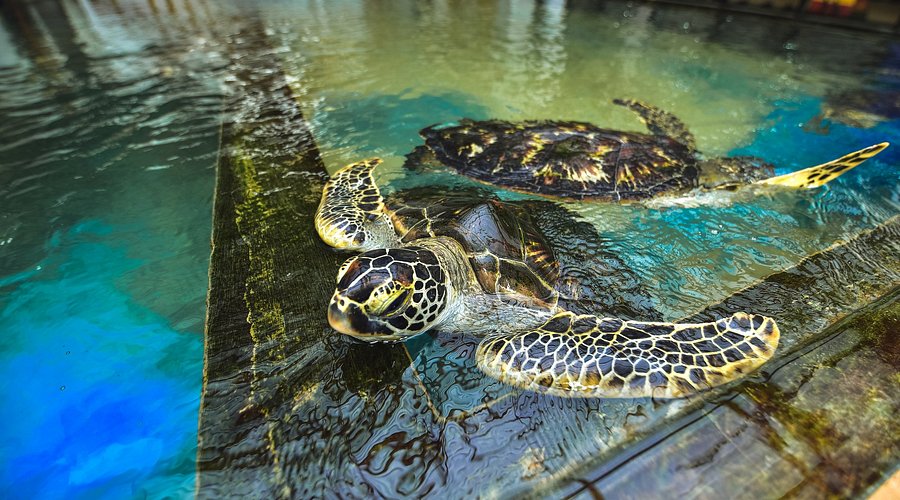
Sri Lanka is a vital habitat for sea turtles. It has been observed that five of the seven endangered species come to the shores of Sri Lankan beaches to lay their eggs: the Green Turtle, the Leatherback, the Hawksbill, the Loggerhead, and the Olive Ridley. The Kosgoda hatcheries work to protect these nests from predators and poachers, caring for the eggs until they hatch and releasing the babies safely back into the ocean at night.

Kaudulla National Park

The park surrounds the Kaudulla reservoir. The topography is mostly flat with two long irrigation channels plus three streams running through it: the Gal Oya, Aluth Oya, and Pun Oya. Along with Minneriya, this park is a central corridor for the movement of elephants. It is one of the best places to witness the "Elephant Gathering" between August and December, as well as to spot eagles, storks, and peacocks.

Kandyan Dance

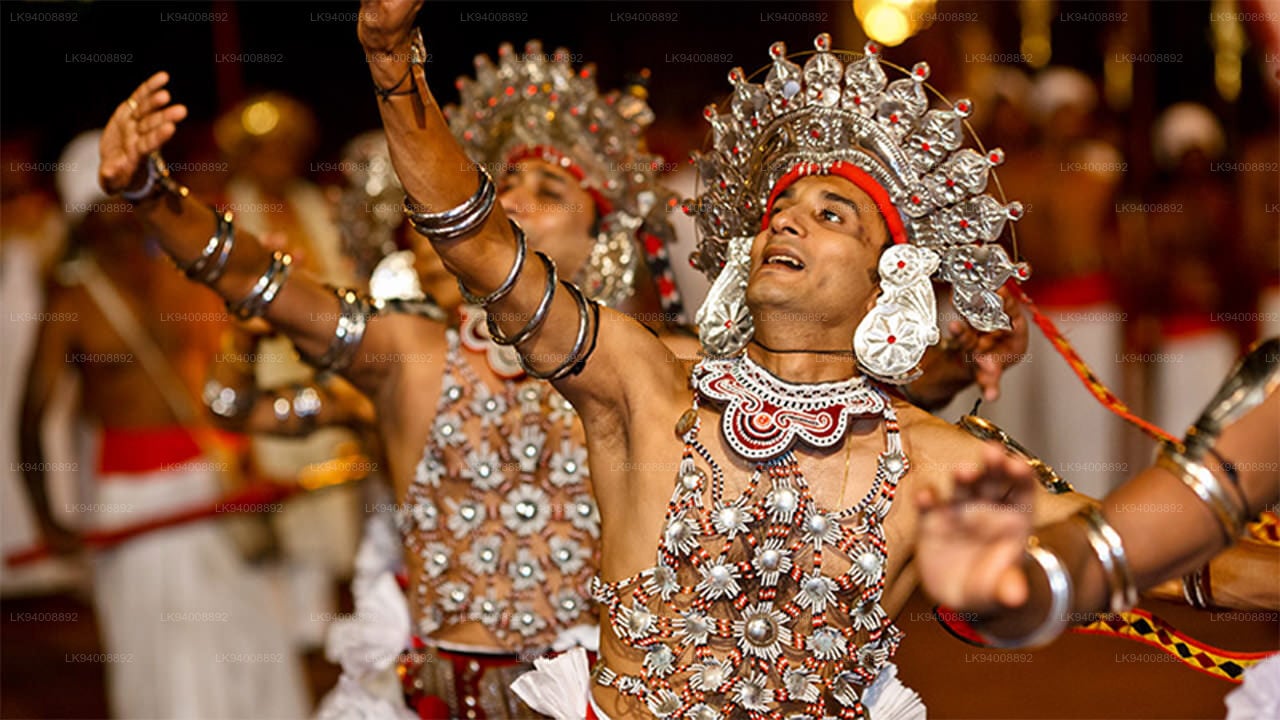
Concept of dancing in Sri Lanka originated in fear of natural power which people regarded as the supernatural building. Dance was then initiated in Sri Lanka during the 4th century B.C. for the purpose of expelling evil spirits and curing sickness. Today, the Kandyan Dance (Udarata Natum) is the country's national dance form, characterized by dynamic drum beats (Geta Bera), elaborate silver-adorned costumes, and athletic movements, often culminating in a fire-walking act.

Horton Plains & World's End

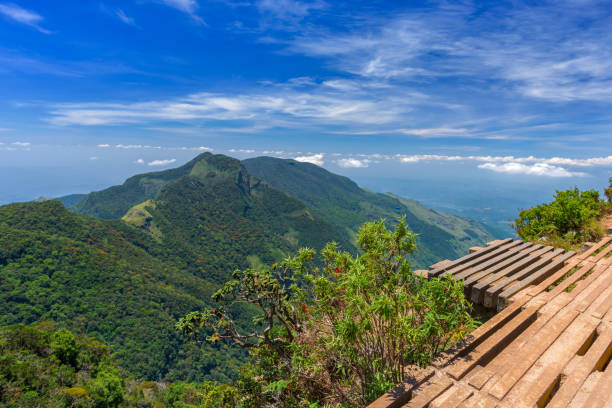
Horton Plains National Park is a protected area in the central highlands of Sri Lanka and is covered by montane grassland and cloud forest. This plateau at an altitude of 2,100–2,300 meters is rich in biodiversity, including the endemic Sambar deer. The main attraction is World's End, a sheer precipice with a 1,200-meter drop offering breathtaking views, alongside the picturesque Baker's Falls.

Galle Fort

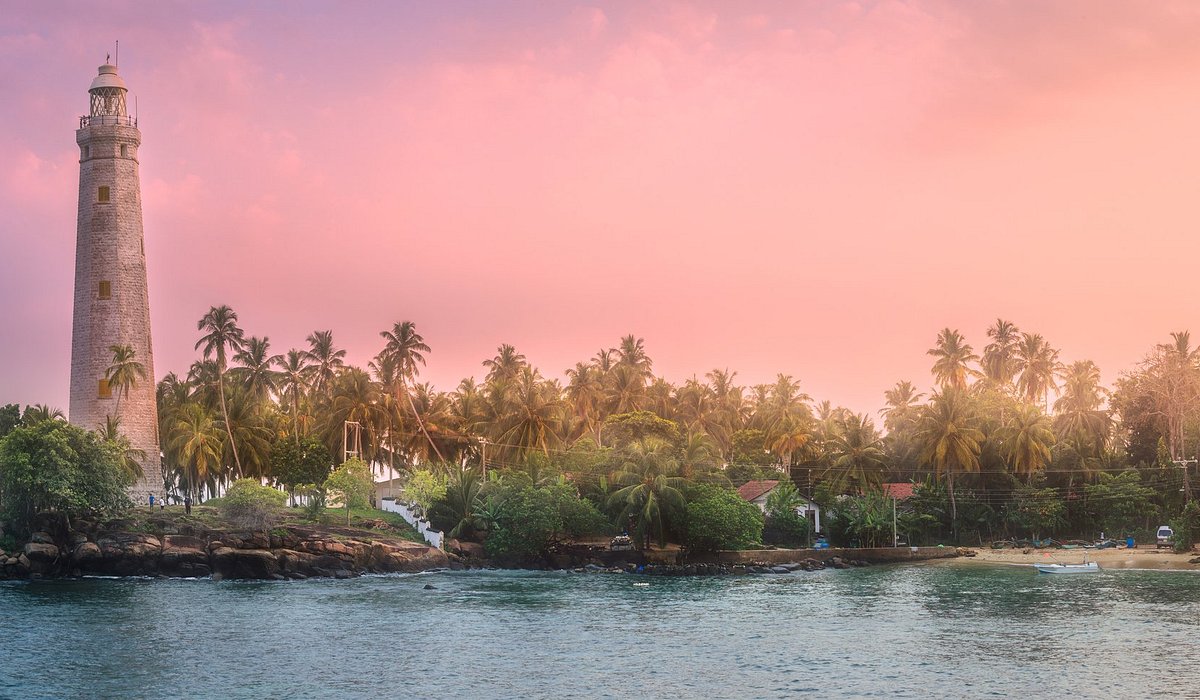
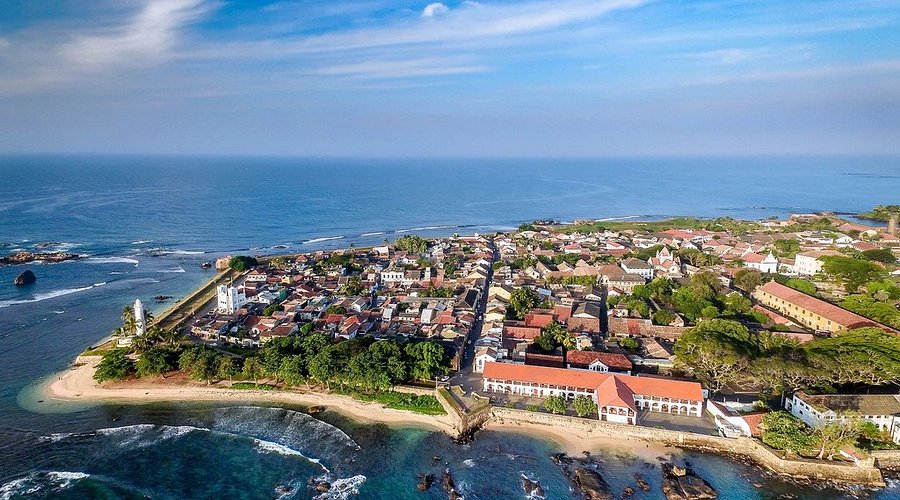
Galle provides an outstanding example of an urban ensemble which illustrates the interaction of European architecture and South Asian traditions from the 16th to the 19th centuries. Built first by the Portuguese and extensively fortified by the Dutch, this UNESCO World Heritage Site is a living city with cobbled streets, colonial villas, museums, and the iconic Galle Lighthouse, surrounded by massive granite ramparts holding back the Indian Ocean.

Ella

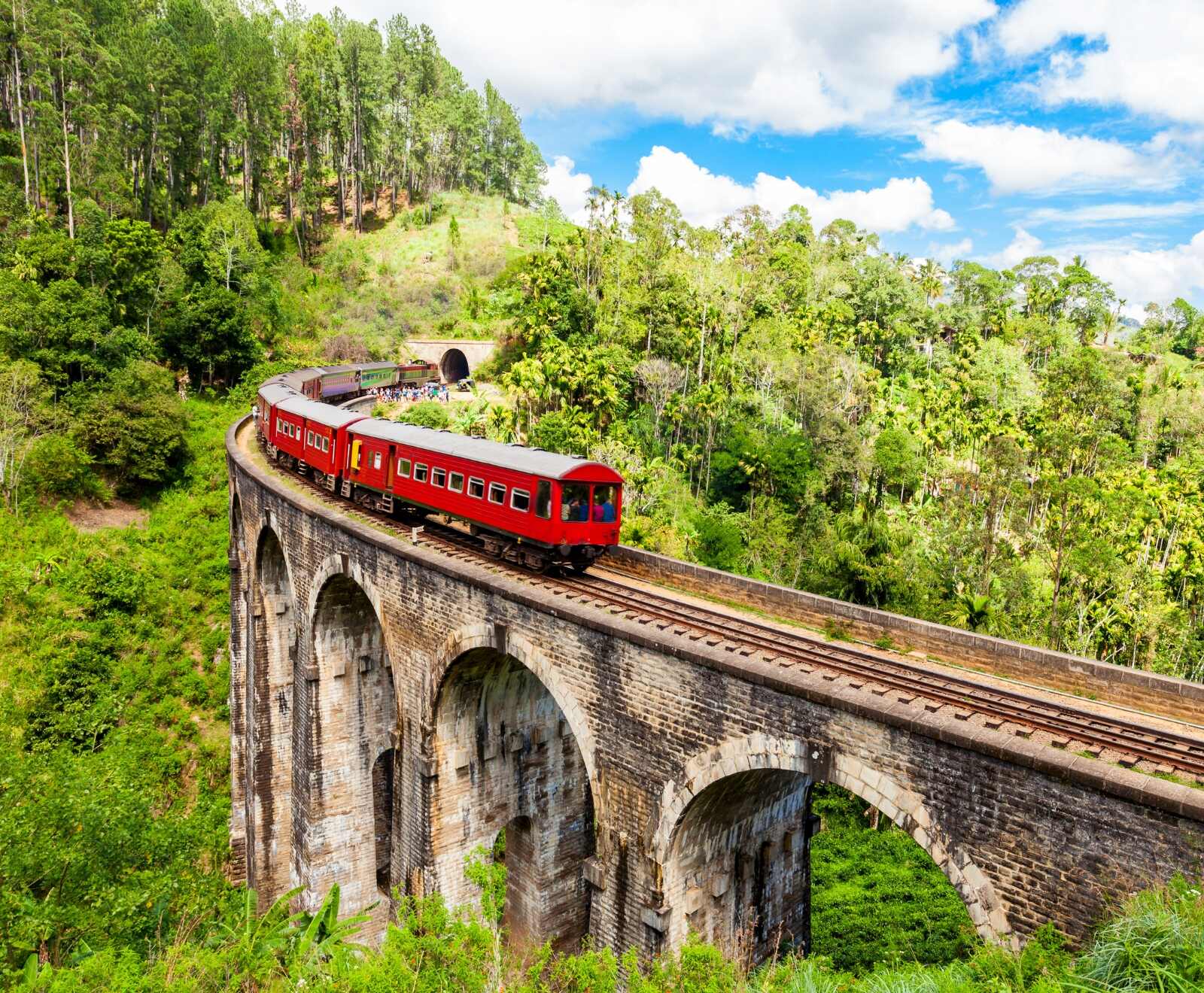
Ella is one of the most famous places in the tropical island Sri Lanka. It’s well-known for many reasons; but primely, the natural paradise around the location and tourist town there creates a laid-back atmosphere. Key attractions include the iconic Nine Arch Bridge, the hike to Little Adam’s Peak for panoramic views, and the Ravana Falls. It is a hub for hikers and backpackers seeking cool climates and stunning hill-country scenery.

Dambulla Cave Temple

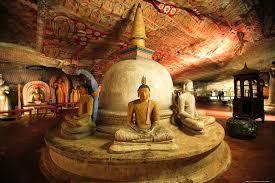
Dambulla is a large town, situated in the Matale District, Central Province of Sri Lanka. The town is situated 148 km north-east of Colombo and 72 km north of Kandy. It is most famous for the Golden Temple of Dambulla, a World Heritage Site. This cave complex features five main sanctuaries containing 153 Buddha statues, three statues of Sri Lankan kings, and four statues of gods and goddesses, all set under a vast rock overhang covered in intricate ancient murals.

Anuradhapura

Anuradhapura was first settled by Anuradha, a follower of Prince Vijaya the founder of the Sinhala race. Later, it was made the Capital by King Pandukabhaya. It served as the capital of Sri Lanka for over a millennium. Today, it is a UNESCO World Heritage Site famous for its well-preserved ruins of an ancient Sinhala civilization, including massive stupas like Ruwanwelisaya and the Sri Maha Bodhi, the sacred Bo tree grown from a cutting of the tree under which Buddha attained enlightenment.

Let's Keep in Touch

Nuvi Tours was founded on the spirit of joy, warmth, and lasting connections.
© 2026 Nuvi Tours, All rights reserved.
Designed By Frank Lowe